Marketing Mix Modeling (MMM) That Connects Spend to Impact
Quantify the impact of your marketing investments to better understand business outcomes and where dollars can work harder.

Every channel can claim credit. Marketing Mix Modeling shows who earned it.
You need to determine which investments are actually driving business results – not just metrics. By isolating the contribution of each marketing channel and accounting for external factors, MMM provides a clearer understanding of what is working, what is underperforming, and where future investment can create the greatest impact.
Case Studies
MMM drives more confident media and marketing planning, smarter allocation, and decisions based on evidence rather than assumptions.

Visualize the impact of your marketing spend
-
Data Sourcing & Integration
A marketing mix model is only as good as the data behind it. Our data management platform and practice sources, cleans, and integrates the full dataset required—paid media spend, sales and revenue, macroeconomic variables, competitive activity, seasonality indicators, and any other factors that influence performance.
-
Model Development & Analysis
Every marketing mix model is calibrated to your specific business structure, channel mix, and measurement goals, isolating each channel’s contribution while controlling for external variables like economic conditions and competitive pressure.
-
Data Visualization
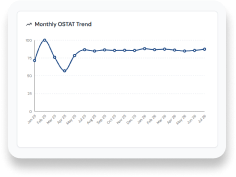
MMM findings are translated into clear dashboards built for executive audiences. We present results in the context of the decisions they inform: where to increase investment, where to pull back, and what each scenario projects.
-
Budget Optimization & Scenario Planning
We use MMM outputs to build forward-looking budget optimization recommendations—modeling the projected impact of shifting spend across channels, markets, and time periods before the allocation decision is made.
-
Ongoing Measurement & Model Maintenance
Marketing mix models are refreshed on a regular cadence, incorporating new spend data and shifting market conditions to keep outputs current. Monthly performance reviews connect MMM findings to live campaign decisions.
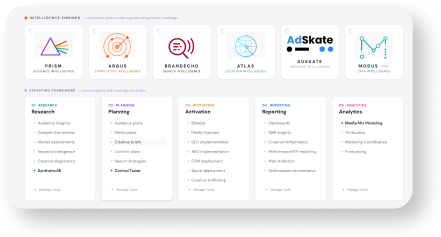
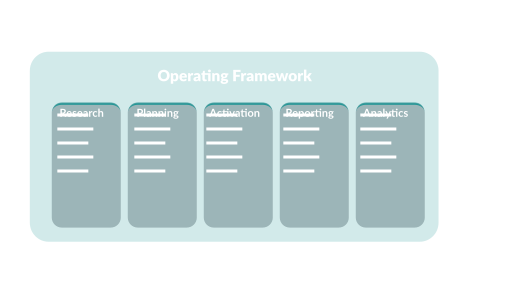
Marketing Mix Modeling Inside MAXIMUS
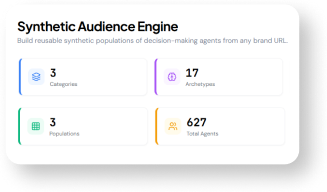
Marketing Mix Modeling outputs feed directly into the MAXIMUS operating environment where research, planning, and activation are already connected. So budget shifts informed by MMM can be operationalized immediately, not after the next planning cycle.


Frequently Asked Questions
The questions we hear most ― answered directly, and without the runaround.
Marketing mix modeling (MMM) is a statistical analysis technique that isolates the contribution of each marketing channel — paid media, owned channels, promotions, pricing, and external factors like seasonality and economic conditions — to overall business outcomes like sales and revenue. For a CMO, it answers the question every marketing budget conversation requires: what did each dollar produce, and where should the next dollar go? Brunner builds marketing mix models that translate that statistical output into clear budget allocation recommendations tied directly to business performance.
Multi-touch attribution tracks individual user journeys across digital touchpoints and assigns credit based on conversion path data. It is ideal for measuring digital channel sequences but cannot account for channels that do not generate trackable user events — like broadcast TV, radio, OOH, or trade media. Marketing mix modeling takes an aggregate, top-down approach using statistical regression across all channels and external variables simultaneously, making it the right tool for measuring the full marketing mix across both digital and traditional channels. Brunner uses both approaches within a unified measurement framework, applying each where it is most appropriate.
The full dataset required for a valid model varies based on your business — it may include paid media spend and delivery data across all channels, sales and revenue data, pricing and promotional activity, macroeconomic indicators, competitive spend data where available, and seasonality variables. Data history, quality and completeness at this stage directly determines the accuracy and usefulness of the model output. Brunner’s data sourcing and normalization process is built to identify and resolve gaps before modeling begins.
Model development timelines vary based on the complexity of the channel mix, the availability and quality of historical data, and the specific business questions the model needs to answer. Brunner scopes each engagement based on those factors and aligns on timeline and deliverables at the outset of the engagement.
Brunner’s MMM practice is integrated with MAXIMUS, Brunner’s proprietary marketing intelligence platform — which means model outputs feed directly into the same environment where live media decisions, budget planning, and performance reporting are already happening. That connection allows MMM findings to be operationalized immediately rather than waiting for the next planning cycle. Budget reallocation recommendations from the model can inform active campaign adjustments in real time, compounding the value of the analysis across every subsequent campaign flight.
Our Partners
We work with partners that make the whole system stronger. The right platforms surface better signals, move faster, and keep the work aligned from insight to proof.


